The Estonian startup is targeting a gap between cheap drones and costly air defence systems as conflicts upend traditional procurement priorities.
Frankenburg Technologies, an Estonian missile defence start-up, has raised €30 million to scale production of low-cost interceptor missiles, as European governments confront a growing imbalance between inexpensive aerial threats and the high cost of air defence systems.
The Series A round was led by London-based venture capital firm Plural, with €7 million from SmartCap, Estonia’s state-backed defence investor. The funding brings the company’s total capital raised to €40 million since its founding in 2024.
The investment comes as the economics of air defence shift under the pressure of conflicts in Ukraine and the Middle East, where relatively cheap drones and loitering munitions have been used at scale against far more expensive interception systems. Western air defence interceptors such as the Patriot missile system can cost up to $4 million per missile, compared with Iranian-designed Shahed-136 drones estimated by defence analysts to cost less than $50,000 each.
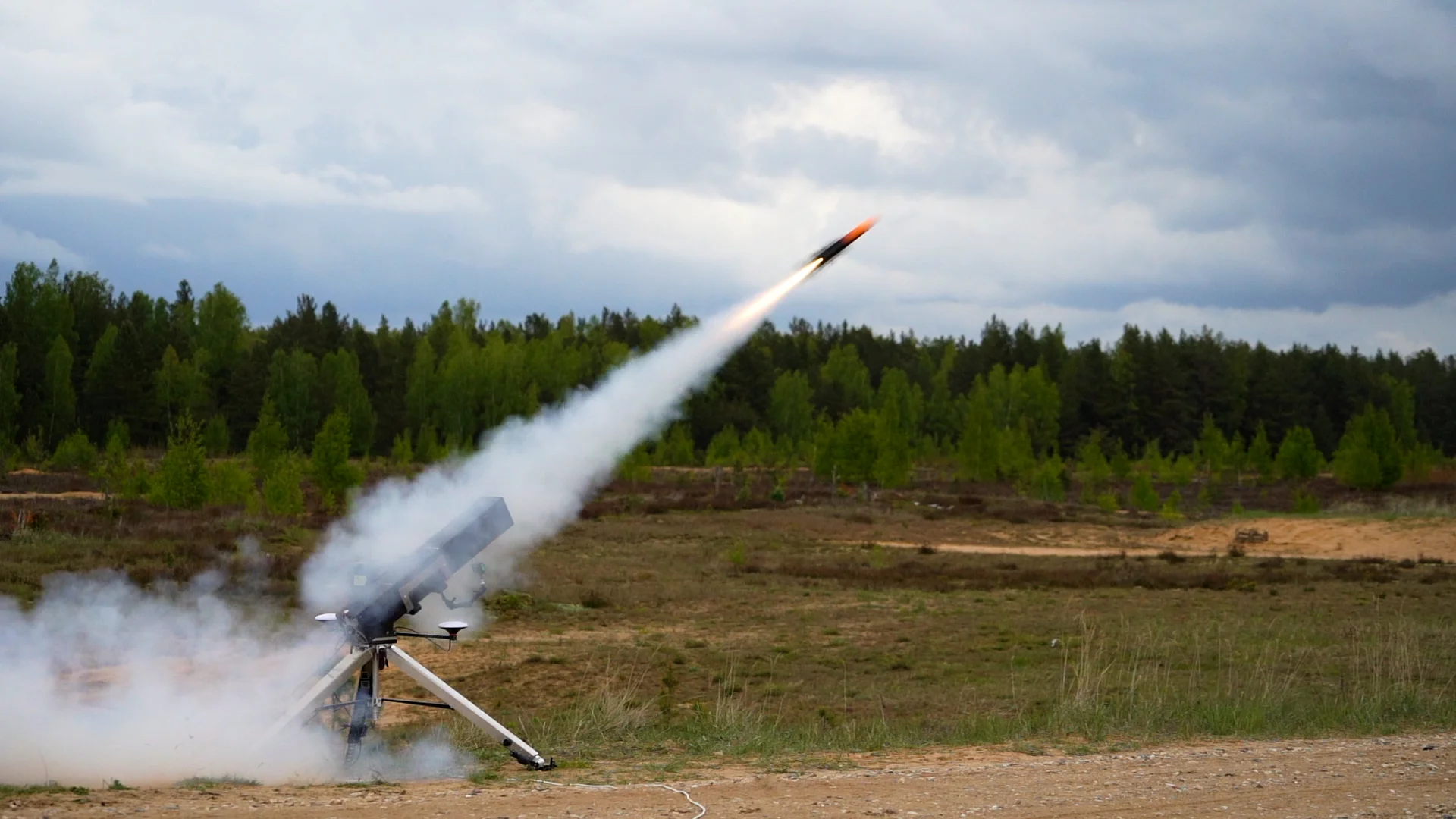
Frankenburg is developing short-range interceptor missiles designed for mass production, with its Mark I system aimed at counter-drone and air defence applications. The company said the Mark I has progressed from concept to testing and early-stage industrialisation in 13 months, with production scheduled to begin in May and first deliveries in July. It is targeting output of up to 100 missiles per day across planned manufacturing sites.
Proceeds from the funding round will be used to establish production capacity across multiple European locations, including the United Kingdom and Germany, alongside in-house rocket motor and warhead manufacturing to reduce reliance on external suppliers.
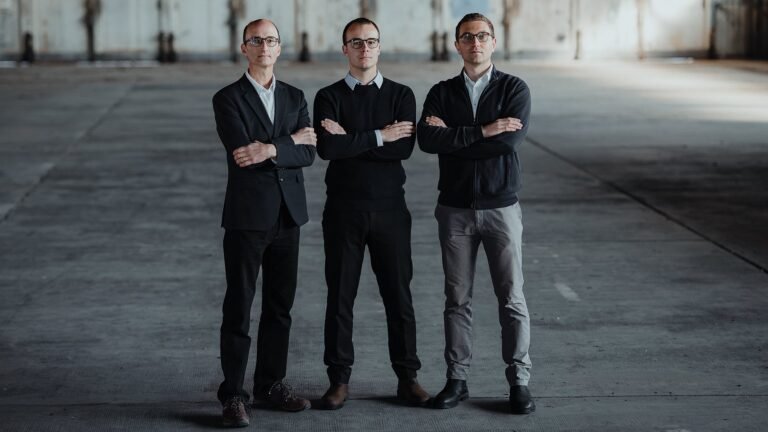
Chief executive Kusti Salm, Estonia’s former permanent secretary of defence, said the challenge facing Europe was not only financial but industrial.
“You cannot deter with systems that are too scarce, too slow to replace, or too expensive to use at scale,” Salm said.
Plural partner Sten Tamkivi said the investment reflected a broader shift in defence priorities toward affordability and volume. “Defence must be cheap, fast and available in large quantities,” he said.
The company has also signed a memorandum of understanding with BAE Systems to work with the defence group on counter-drone technologies, initially focused on warhead development for its missile systems.
Frankenburg’s raise comes amid a wave of investment into European defence technology startups focused on air defence and autonomy. Munich-based Tytan Technologies announced a separate €30 million Series A round in February, co-led by the NATO Innovation Fund and Armira.
Frankenburg currently operates across eight countries, including Estonia, Germany, the United Kingdom and Ukraine.