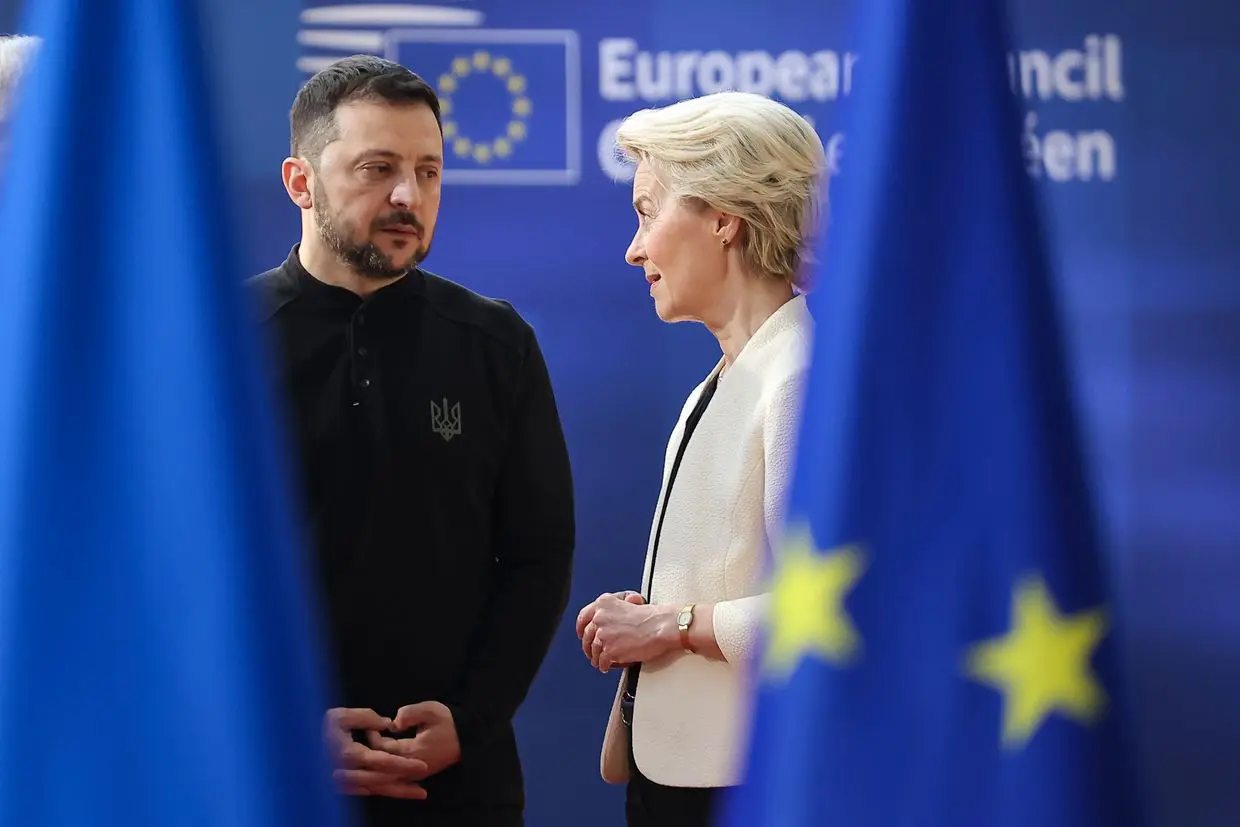
Bulk of funding would support weapons procurement, with loans raised through joint EU borrowing
The European Commission has proposed a €90 billion loan package for Ukraine, with the bulk earmarked for multi-year defence procurement, marking the EU’s most significant shift yet towards long-term military funding for Kyiv.
Under the proposals, roughly €60 billion of the financing would be allocated to military procurement, with the remainder supporting Ukraine’s general budgetary needs in 2026–27.
The loans would be raised through joint EU borrowing on capital markets, backed by the bloc’s multiannual budget, after plans to base the package on profits from frozen Russian assets were abandoned amid legal and political disagreements.
The arrangement, agreed in principle by EU ambassadors and awaiting formal approval by member states and the European Parliament, is designed to give Kyiv greater visibility over medium-term defence spending and enable larger, longer-dated procurement contracts. Disbursements could begin as early as the second quarter of 2026 once the legal framework is adopted.
The Commission said the package would cover roughly two-thirds of Ukraine’s financing needs over the next two years, based on assessments by the International Monetary Fund
Brussels has signalled that the defence component will mostly benefit European and associated industries. The terms agreed by EU envoys specify that military purchases should primarily be made from suppliers in the EU, Ukraine or European Economic Area and EFTA states, with exemptions allowed for urgent needs when equipment is not available domestically.
The proposal partly reflects divisions within the bloc over the use of frozen Russian assets to fund Ukraine’s war effort. Many member states, including Belgium which holds substantial Russian deposits, raised legal and financial concerns about tapping those assets directly, leading to a fallback on budget-backed borrowing instead. Finnish Finance Minister Riikka Purra called the compromise a “major failure”, saying it fell short of leveraging immobilised Russian funds.
Ukrainian President Volodymyr Zelenskyy welcomed the loan package, highlighting that Kyiv will only be required to repay the loans once Russia pays war reparations, linking the financing implicitly to accountability for the aggression.
The bloc has already committed more than €190 billion in combined military, financial and humanitarian aid to Ukraine since the full-scale invasion in 2022, but has struggled to move beyond short-term ad-hoc funding rounds. The new loan represents a strategic effort to institutionalise support while encouraging European defence industrial participation in Ukraine’s procurement plans.