Poland holds the largest single allocation under the €150bn programme, making the veto the most significant domestic challenge to the scheme since it entered force last year.
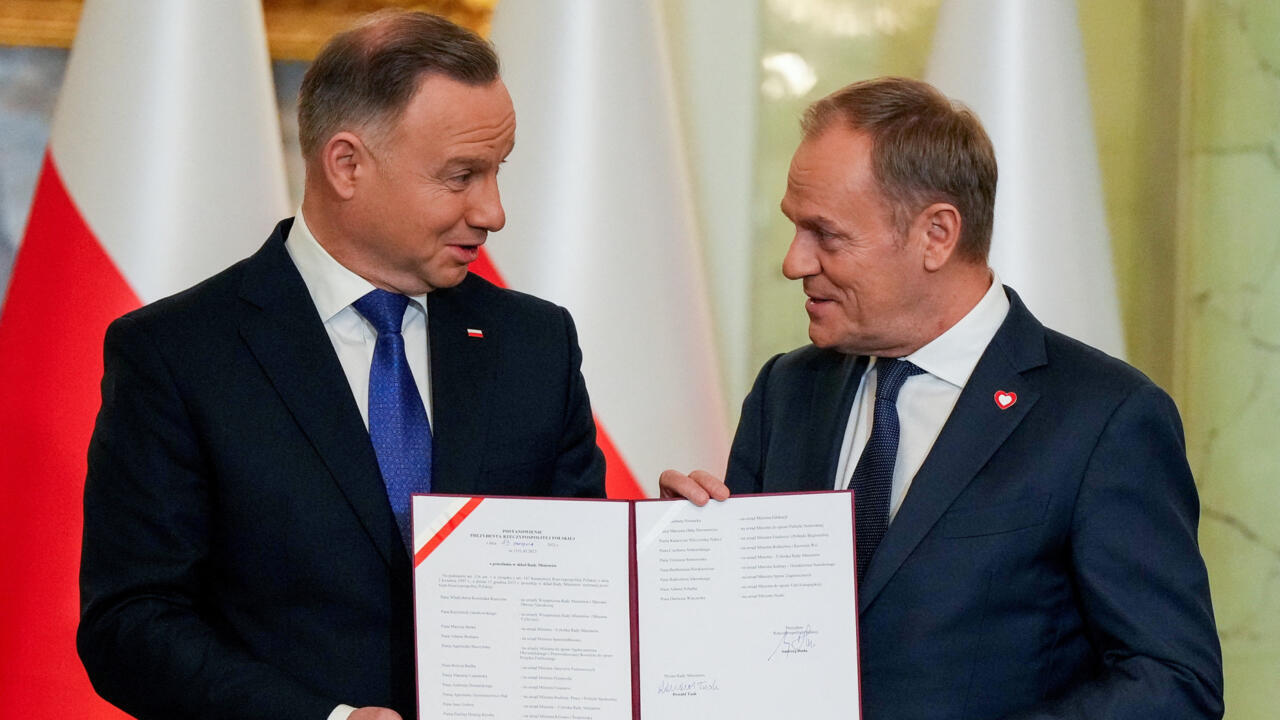
Polish President Karol Nawrocki vetoed legislation on 12 March enabling Warsaw to access €43.7 billion in loans from the EU’s Security Action for Europe (SAFE) programme, triggering a standoff with Prime Minister Donald Tusk’s government over the financing of the country’s military modernisation.
Poland holds the largest single allocation under the €150 billion SAFE scheme, roughly a third of the total fund.
Nawrocki, aligned with the opposition Law and Justice party, cited three objections: the long-term debt burden of a 45-year foreign currency loan, EU conditionality provisions that could allow Brussels to withhold disbursements, and constraints on procurement from non-European suppliers.
He submitted a rival proposal, dubbed “Polish SAFE 0%”, drawing on central bank profits rather than EU borrowing. Economists and the government questioned its viability, noting the central bank has not turned a profit since 2021.
The government adopted a resolution the following day authorising ministers to sign the loan agreement directly, routing funds through the National Development Bank and the existing Armed Forces Support Fund without requiring presidential approval.
The European Commission confirmed it was ready to release an initial advance of approximately €6.5 billion in April at an interest rate of 3.17%.
The workaround carries constraints. Funding for non-military agencies including the border guard, police and security services, worth an estimated €1.66 billion, cannot be channelled through the alternative route.
The ruling coalition also lacks the three-fifths parliamentary majority needed to overturn the veto, making Plan B the only viable path.
For the European defence industry, the core military procurement pipeline remains intact and the first tranche is expected on schedule. The episode nonetheless exposes a vulnerability in SAFE’s architecture: even the programme’s largest beneficiary can see its disbursement mechanism disrupted by domestic politics, with potential implications for joint procurement timelines across member states.